
Interview with Migrant Couple
By Thomas Hansen and Gabriella Fangiat

We interviewed a couple from Venezuela, and we found a similar story: they risked everything to get to the USA with their six-year-old daughter. They spoke candidly throughout the interview, never hesitating. They came to this country, since there were no jobs and things were getting to be “way too dangerous to stay where we were.”
They wanted to share no names, no details, no photos. Because of the times we are living in, the story is incomplete. We can only report what they tell us. They do not tell us the typical information people provide in an interview. But again, these are not typical days.

Here is how it goes. Their Spanish is hard to understand, and Gabriella who is from Venezuela herself says it is particularly hard to follow what the husband is saying. He is from a rural area, and not only is his Spanish “weird-sounding” to her, it is his second language.
They set out from home, as did others from their village. The wife’s little brother started out with them, but he got too frightened and turned back.
They explain that leaving their country was a good thing—was the only thing. They tell of failed businesses, no jobs, no way to “make it” and no hope for a future. They state simply that “We had no family left, and few friends. Everybody our age had already left our town and headed to the USA.”
Their trip across Central America was dangerous and frightening. “We thought we would be killed or our daughter would be stolen.” They dressed their daughter in shirts and pants “like boys wear” and cut her hair very short, like little boys might appear. They stayed in the middle of the group as it moved slowly through the countries to get to a place in Mexico where they handed over “all our money” to a man who would help them get across. At night, they got to Texas.
Arriving in Texas, they were immediately put on a bus without knowing where they were going. Everybody they dealt with spoke Spanish. Although Spanish is their second language—not their first—they were able to communicate and find out they were going to Chicago. The driver was a nice guy and his parents were from Mexico.
There were couples and some single boys and men in the group. Some of the people were cousins on one bus they road in. They were all from Venezuela except for two boys from Colombia. The wife adds, “The bus was full and we don’t know how many people there were. The men smelled like beer and cigarettes. Other people smelled like perfume or onions.”
“In the early morning, we arrived in Chicago, the husband states. “We were scared as f*ck but had to act like everything was okay—to not scare our daughter.” The couple were greeted by some social workers and people with clipboards and information. They all spoke in Spanish and “it sounded funny—like people from Mexico talk.” They said things like “bueno” and “ándale” a lot and told them how to get to a motel where the city would be paying for their room. They went in a taxi with another couple with two little boys.
“When we arrived there, a priest came to our room with a woman who explained in Spanish how to use the bus pass and how to find food.” There was no food or clothing in the hotel room—only huge windows with great views of the lake and the traffic and the tall buildings. “It was like in a movie—all the skyscrapers and churches everywhere and all the big cars.” Our daughter noticed everybody had blond hair like my cousin. She was enjoying it like it was an adventure and we kept telling her to look at things and see how wonderful this place was. He goes on to say, “She was tired and fell asleep on the bed and when we woke up there were some people with sandwiches and water who came to our door. They were the last visitors we had that week.”
Now almost two years have passed, and it is time to hide out and try to plan what to do next. The daughter is in school and is learning English. The father works part-time in construction and is learning the trade—but all day long he uses Spanish and wishes he could learn English himself so he can move on, and move up. The mother is trying to learn English from her daughter. There is no plan in place for any of them to learn English, even though people from their church say there are classes available. However, all the classes are at times difficult for them to attend—and it is hard to know if they can attend long term.
We ask if it would be worth it to spend less time accepting gifts and money on the street and more time instead at the church to learn English. The wife is uncomfortable with the question, and the husband says nothing. Maybe it is too hard to change their daily routine. It is one of the only things they know and depend on at this point.
The couple knows that there are people who would kidnap them and turn them in for money to the police forces in charge of immigration. Without a visa, a passport, and English, they face some dangerous times indeed. They are most scared about getting separated—or grabbed and thrown into a group of other migrants being shipped off somewhere. They cannot look back—there is nothing to go back to—and they certainly don’t want to get sent to some place like a concentration camp… news of the recent third-country deportations are haunting them.
“What if we get send to Africa?” the husband asks me. “That would be the worst ending!”
So they are stuck like the other migrants wondering what will happen next—and whom to trust—in a sea of people of all colors—and not knowing who is a friend and who is an enemy. They pray a lot, they go to church, they ask for money and food near grocery stores, and they hope they will be able to continue.
Like many migrants we talk to, they hope things “will blow over” soon and things will go back to how they have been since they got to Chicago. The parents both hope to work, learn English, take care of their daughter, and get a regular place to live. Their current accommodations are less than ideal. They have a basement they are renting. Aside from the random family members coming downstairs into their area to run the washer and dryer, they have their privacy. There is a half-bath and a couple old couches, a table, and some chairs. It is dark and private, and they are safe there, they think. There is an old refrigerator, and there is a little microwave.
They found their spot through their church, and even though the family upstairs does not speak Spanish, they are nice and bring them extra food and clothing and try to help. They speak Polish, and like the couple, they are Catholic. One of the teenagers is studying Spanish in high school, so he tries to translate whenever there is a meeting.
Life here is not at all what they expected. Now with the raids possible from ICE and other police, they hope they can “lay low” until the worst of the current chaos in this country is over. They thought things were better here, with more helpful people and more big opportunities. They are relieved so many people speak Spanish and glad people try to help.
When they came here, Biden was president and was welcoming “so many people to just come here and start over.” They do not understand how things have changed so much and the current administration is “out to get them.” They look shell-shocked—the only expression we can think of to explain their big eyes and their hyper-vigilant manner as cars pass by and people come into the burger joint to order their food.
Our coffee grows cold twice, and that is okay since outside it is well over 90 degrees Fahrenheit outside (33 Celsius?). Gabriella is uncomfortable, she says, and I am roasting to death in the McDonalds where I always wind up interviewing people. The employees at this one know me, and they speak to me in Spanish, and they often give me coffee and burgers for free. They know what I am doing there, and they help.
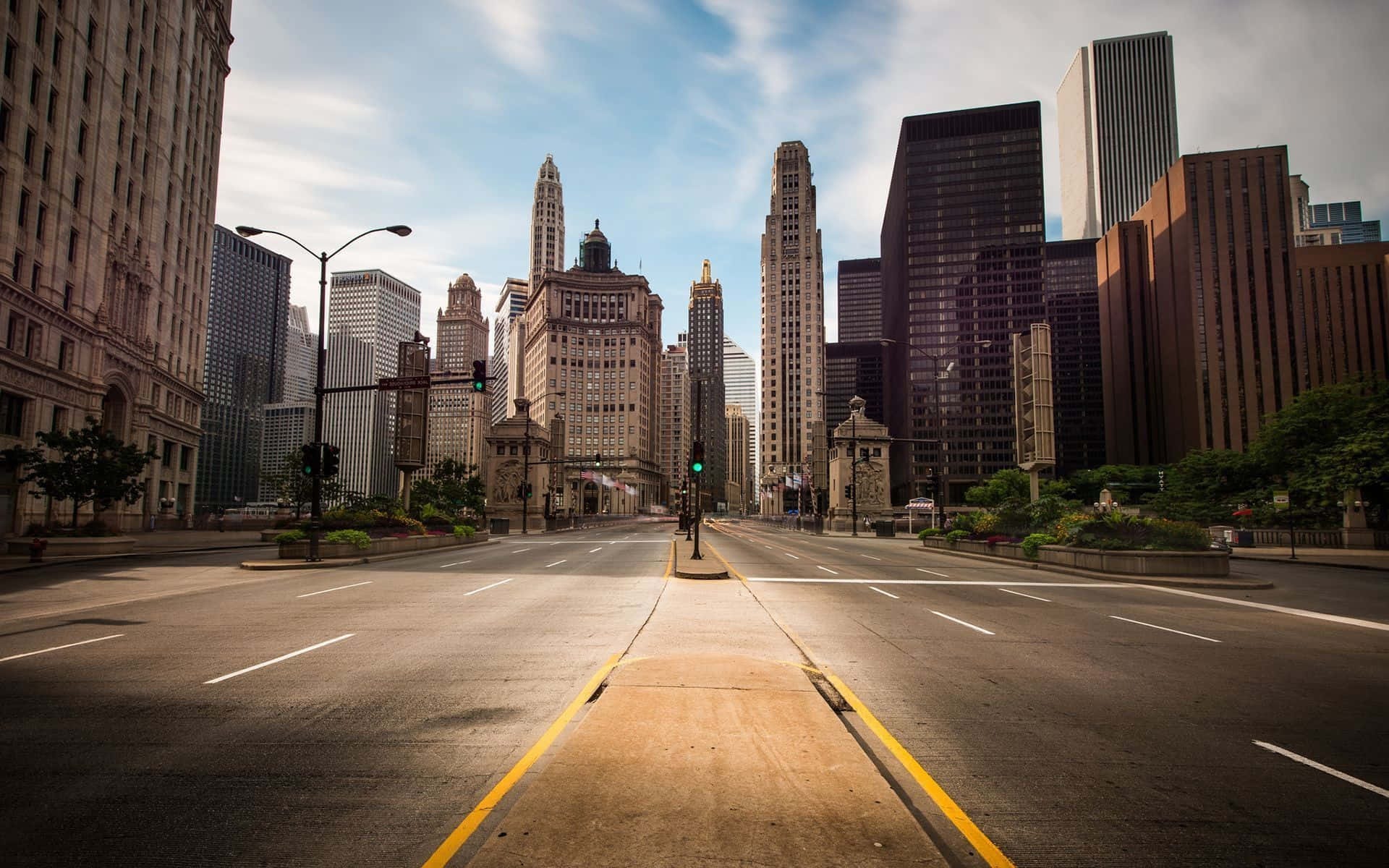
The couple has never lived in a city before, so the heat and the noise are sometimes overwhelming. There is no way to escape it. Without trees in most of the city, there is no breeze. There is no break.
They miss their home—in some ways—and they wonder often if they should have stayed back there. With no opportunities and money, they could not “buy” their way into work or business. They could not bribe anybody to get in on real estate or other deals.
The two of them do a lot of sighing and a lot of looking around. They jump every time somebody comes in the door. They insist they will try so hard to create a better chance for their daughter. They depend on the people at their church to help out and wonder how they can pay for help. They wonder aloud how they could donate their time or work to receive benefits.
Gabriella and I give them some information on other agencies and churches—including an English program. We tell them to be honest with the people who are trying to help and mention they will help with cleaning, watching other children, and helping in other ways in exchange for classes and clothing and other items. They are safer indoors where it is cool and there are people around to keep them connected in case of a raid or other police activity.

Getting arrested or kidnapped in front of a grocery store is not a good deal for anybody, and the problem with the ICE raids has been that people get separated—making it almost impossible to figure out where they have been taken. ICE and other officers have been confiscating IDs and phones and wallets and papers. They detain the people. It is unclear what is being done with their phones and possessions often. ICE tends to NOT contact the family and tends to NOT allow for lawyers to talk to the migrants. They tend to NOT respond when the migrants plead for a lawyer—or pretty much any other request.
This story is like many others we hear about—and overhear at church dinners in basements all over the city. The couple shares their general impressions and their general story and their overall hopes. They are overjoyed to get help but feel it is so exhausting wondering when their salvation will come. It is so difficult to know what to say to them, other than urging them to make use of the churches and agencies who are reaching out.
If they get snatched off the street, there is no way this couple could communicate in English well enough to get the facts, find out where they are being taken, and get a commitment from ICE or other officers to contact their family members to let them know where they are. Everything is mysterious and secret with ICE and the others agencies. People are handled roughly—often beaten—and they are so afraid they cannot make sense of street signs or any other clues of where they are being transported to. They get taken to holding cells, then to other states, then to other parts of the country to await deportation—to God knows where. I often wonder how I can help them more.
I dream of having a huge apartment complex where I can give every migrant and every homeless person their own apartment. Plus soap, towels, deodorant, cash, a puppy, beds, sheets, pillows, and a pantry full of food. What is the lottery up to? How do I borrow money to buy some tickets?
How many spaces would I need? What is the demand—just in this town?
There are over 70,000 homeless in Chicago and over 50,000 migrants.
It is hard to remain calm when listening to the couple’s story and their pleas. We know they are up against a formidable foe. How to keep them safe, how to help them? Provide more information and flyers and introduce them to more volunteers and clergy who will have their back… these are what we have to do for now.
We must encourage them, we must remain polite. We smile and provide them with resources. However, we cannot “fix” the world. If we could, we would not be sitting here, drinking coffee with total strangers from another continent who are suddenly our neighbors. Life would be easier.
Everything would be easier.
This is yet another case of the difficulties of the people out on the street—who are liable to be living on it soon, if things with their host family do not work out. We do what we can and keep praying.