
Homeless Ghosts: British Spectres Are a Tradition
By Stephen Wilson, one of our reporters abroad
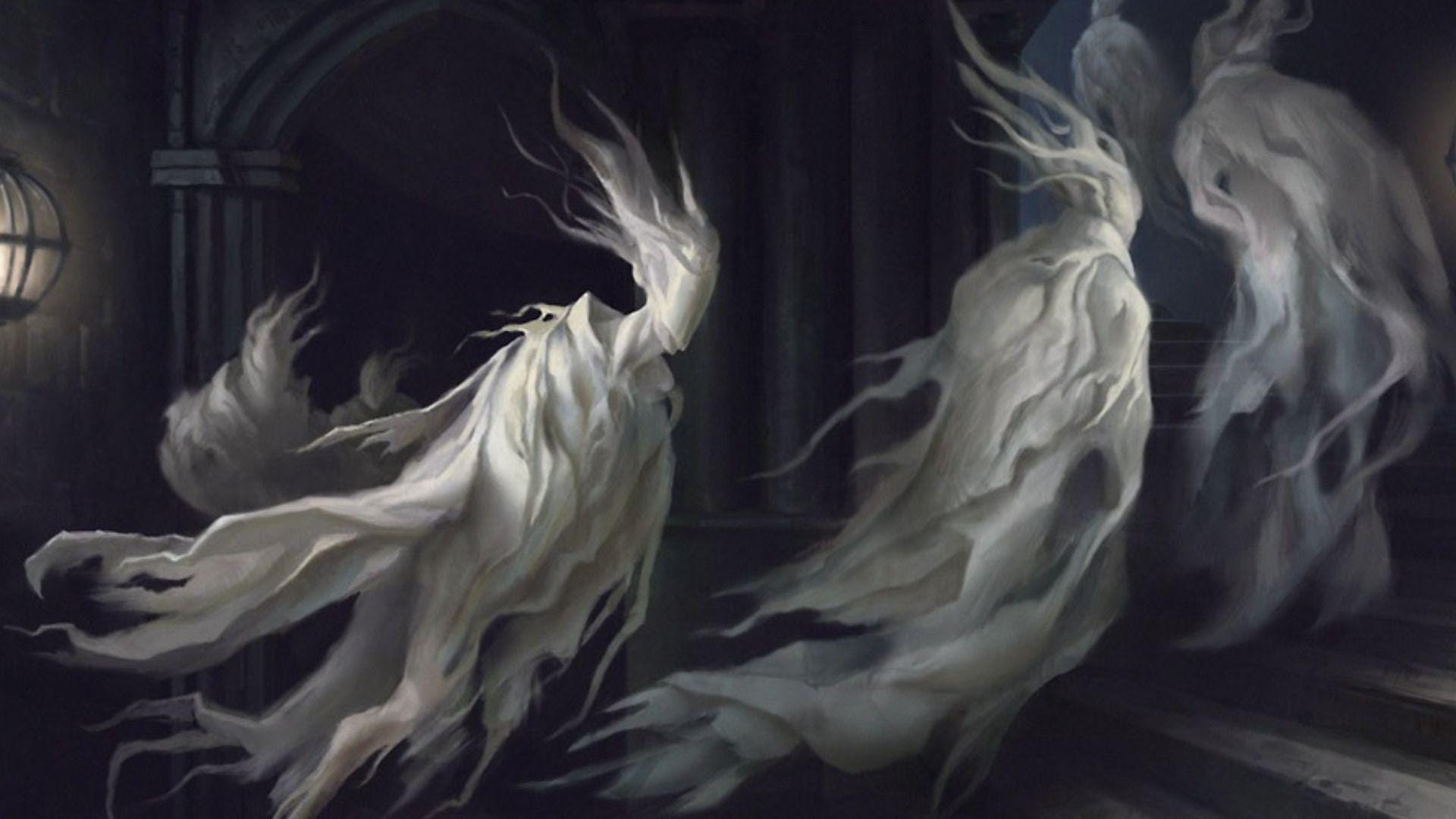
Franz Kafka could certainly come up with strikingly odd and absurd stories. In his short stories ghosts often surface. Their presence is not only bewildering. They represent an often confounding puzzle which raises many unanswered questions.
For instance, in his short story “The Cares of a Family Man” the owner of a house is disturbed by the haunting of ghost called Odradek. {See pages 183-185 , Franz Kafka, 1993, Collected Stories, London: Everyman’s Library.} Odradek resembles a mechanized flat star-shaped spool of thread. It or he moves around the stairs and garrets. It then vanishes and returns again and again.
Despite asking the owner some questions, Odradek says practically nothing about himself. He’ll only answer that his name is Odradek and that he has ‘No Fixed Abode.’ The owner asks himself, “I ask myself to no purpose, what is likely to happen to him? Can he possibly die? Anything that dies has had some kind of aim in life, some kind of activity, which has worn out but that does not apply to Odradek.’ But the answer of Odradek: ‘No Fixed Abode’ can be construed as suggesting ghosts are the most homeless of all!
Homeless! Ghosts endure the ultimate form of homelessness. Their presence is largely viewed as unwanted, intrusive and disturbing. People try to evict them by calling priests to exorcise them. Ghosts don’t have legal rights to a home. According to Icelandic law, the victims of ‘persecution’ by ghosts can summon spirits to court and put them under a restraining order.
But what if it is the ghost who is wronged? For some unknown reason they are stuck in a void or “no man’s land” and just can’t move to “The Otherworld.” Perhaps they have been disowned and denied entry or got lost. They are not alive in the sense we are. They cannot eat, drink or perform bodily functions. They seem disembodied and almost apart from the earth.
The English appear to be obsessed with ghosts. The writer Peter Ackroyd explains the popularity as being partly due to a fascination with history. He argues, “The popularity of the English ghost tradition—the English see more ghosts than anyone else—is deeply rooted in its peculiar mingling of Germanic, Nordic and British superstitions. The English are also in many respects obsessed with the past, with ruins, with ancient volumes.” {See pages one of Peter Ackroyd, The English Ghost: Spectres through Time, 2011, London: Vintage Books.}
But another reason for the interest in ghosts is simply attempting to find answers to the questions of human existence, such as ‘What happens to us after death?’ Kafka wondered about this question and so does the English writer Richard Middleton who wrote a very short story called “The Brighton Road” {1912, free to read on the Internet in Pat David’s archive, October 5th 2019} shows much empathy for the homeless. He also clearly feels sorry for the ghosts. The main themes of this story are not only the predicament of being homeless but what if the homeless do not know they have died? Richard Middleton ‘s story is set on the road from Brighton to London where a tramp and young person accidentally meet up. They get acquainted and the youth tells his life story and how he ran away from home and was later brutally murdered. But while the youth realises he is dead the tramp is unaware. It is the youth who brings the tramp the bad news! The fact is that the poor tramp has frozen to death. This happened to many homeless people. And it still occurs. It is interesting to note that the homeless were often called ‘Gentlemen of the Road.’ This implies some normal people treated them with some deference and respect rather than great disdain.
Note that despite the fact that at the turn of the 20th century the English working class were beginning to experience more prosperity and could afford more pleasures such as going on seaside holidays, bicycle trips, and boat trips, falling into poverty remained an acute problem.
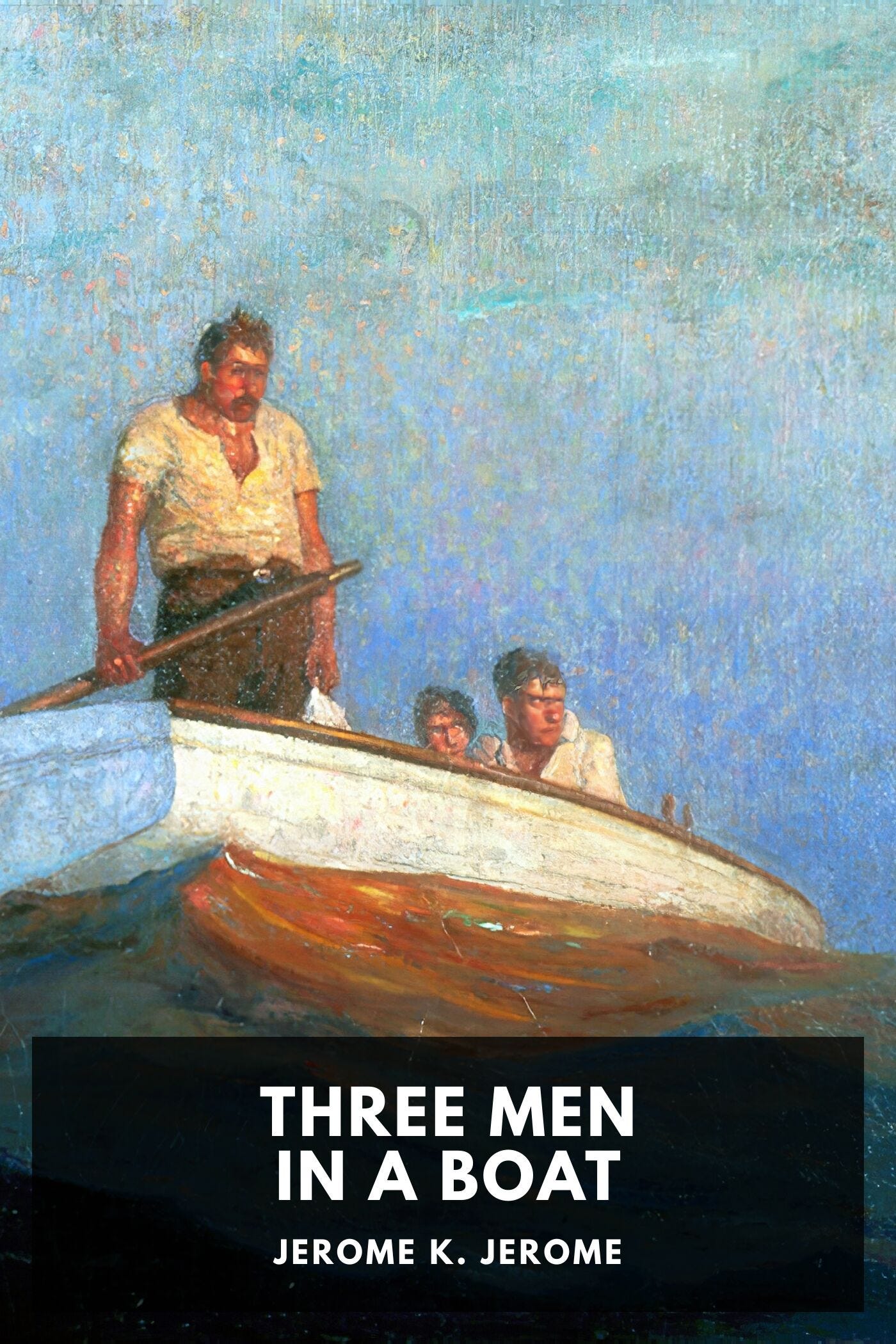
Note that the author Jerome K. Jerome was also well aware of those problems. We even read about the suicidal drowning of an abandoned homeless woman in Jerome’s book Three Men and a Boat {1889, free download: https://archive.org/details/three-men-in-a-boat-jerome-k-jerome}.
Homelessness went on. Freezing to death on the road or being exposed to the harsh elements was a critical problem. Then, as now, the homeless could be jailed for vagrancy, forced into being used as cheap labor {i.e., the workhouse} or murdered as was the fate of the youth in Middleton’s story.
At the beginning of Middleton’s story, a tramp tells himself “Come, I feel pretty fit,” he thought “I suppose I am lucky to wake at all in this, or unlucky—it isn’t much of a business to come back to and Lord knows what I did yesterday. Walked till I was done, and now I’m only about 12 miles from Brighton. Damn the snow, damn Brighton, Damn everything.” He later asks himself “Am I glad or sorry that it was only sleep that took me, glad or sorry, glad or sorry?’
He then meets a lonely homeless 18-year-old boy who asks if he could keep him company on the road. The youth is from a working-class background in contrast to the tramp who has fallen from a more privileged background. The youth turns out to be friendly, understanding, and very direct. The youth tells the tramp he is “Eighteen last August and I’ve been on the road six years. I ran away from home 5 times when I was little one, and the police took me back each time, very good to me the police was. Now I haven’t got a home to run away from.” The tramp said calmly, “Nor have I’, the tramp said calmly.’
“Oh I can see what you are,” the boy parted; “You’re a gentleman come down. It’s harder for you than me.” The boy limps along and appears very fragile. The tramp tells the boy he has not been homeless for long. The boy retorts with confidence “No, I could tell that by the way you walk you haven’t git tired yet. Perhaps you expect something at the other end.”
Later the tramp tells his companion that “I dropped by the roadside last night and slept where I fell. It’s a wonder I didn’t die.” The boy looked at him sharply, “How’d you know you didn’t?” he said. “I don’t see it,” the tramp said after a pause.
“I ‘ll tell you,” the boy said hoarsely, “people like us can’t get away from this sort of thing if we want to. Always hungry, and thirsty and dog tired and walking all the while. And yet if anyone offers me a nice home and work my stomach feels sick. Do I look strong? I know I am little for my age but I’ve been knocking about for 6 years, and do you think I’m not dead?” The boy then goes into detail about how he was murdered.
He tells the tramp that they both can’t get away from the fact they are both dead.
The Story “On the Brighton Road” succinctly captures the deep loneliness and loss of hope of people on the road. Readers can feel the cold, hunger, thirst, and endless fatigue the homeless go through. But it also emphasizes the danger of being homeless. While the homeless boy was murdered, the tramp has frozen to death. And the story is inconclusive!
Are they both doomed to aimlessly roam around as homeless ghosts after death? Who’ll help them?